
Houston heat rejection film
Heat Control Window Film for Houston Homes
Heat control film bounces and absorbs a big share of incoming sunlight right at the pane, so less of it ends up heating floors, furniture and indoor air. In Houston that relief lasts for months of cooling season, not a handful of hot days.
 Houston
Why Houston Windows Need Heat Control Film for So Many Months
Houston's hot season is not a short spike. Daytime highs climb into the 90s through most of the summer, the warm weather often starts in spring and lingers well into fall, and humid nights keep the house from cooling off on its own. A west window that adds heat at 4 p.m. in July is still doing it in late September.
That length is why heat control film makes sense here even on houses with decent AC. The film keeps working every sunny afternoon for the whole season, and the savings in comfort and runtime stack up over many months rather than a few weeks. It is also why we push for good film on the west side rather than the cheapest option.
East and West Windows Are the Houston Heat Problem
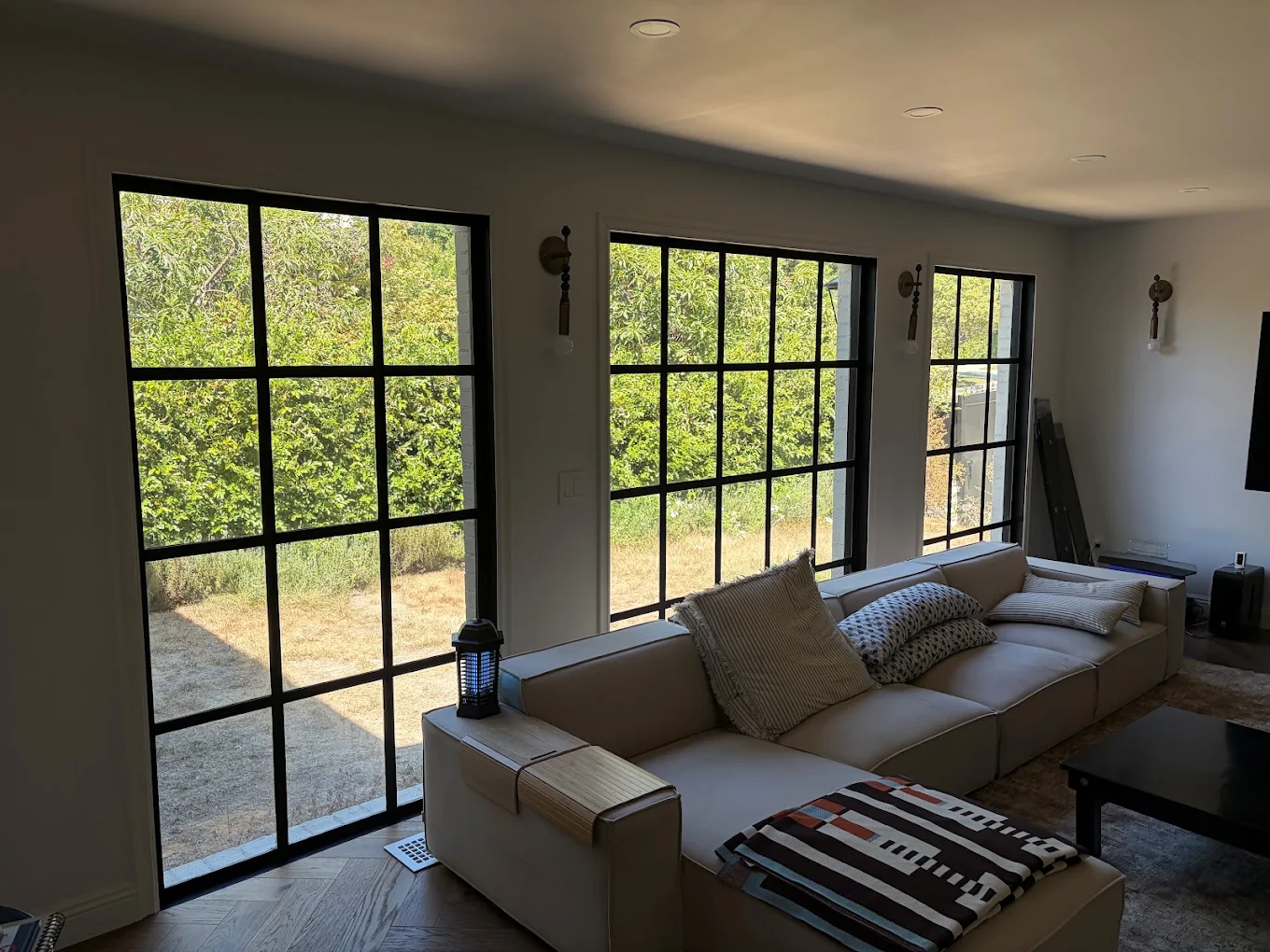
Houston sits far enough south that the summer sun is nearly overhead at midday. Eaves and porch roofs shade much of the south-facing glass in June and July, which surprises many homeowners. The windows that really take a beating face east and west, because the sun hits them at a low angle and shines deep into the room.
East glass heats kitchens and breakfast nooks in the morning. West glass is worse, because it takes sun during the hottest part of the day, after the house has already absorbed hours of heat. A west-facing primary bedroom in a Memorial two-story or a top-floor living room in a Midtown townhouse can stay uncomfortable long after sunset. Those are the windows we treat first.
Choosing Between Selective and Reflective Heat Control Film in Houston
Solar energy arrives as ultraviolet, visible light and infrared. Spectrally selective films are built to reject much of the infrared while passing most visible light, so the room stays bright and the window looks close to clear. They suit Heights bungalows, River Oaks houses and anywhere the owner or the deed restrictions want normal-looking glass.
Reflective films reject more total solar energy, but they have a mirrored look from outside during the day and show some interior reflection at night. On a back wall of glass facing a pool, or a west-facing sunroom no one sees from the street, that trade is often worth it. Darker dyed films sit in between and cut glare well but hold more heat in the glass itself.
On a spec sheet, look for the total solar energy rejected figure; it captures heat, light and UV together. We bring samples and let you feel the difference in the sun on your own windows. Visible light transmission tells you how bright the room will stay. Glare reduction is listed separately.
Heat Control Film on Dual-Pane Glass in Katy, Sugar Land and Pearland
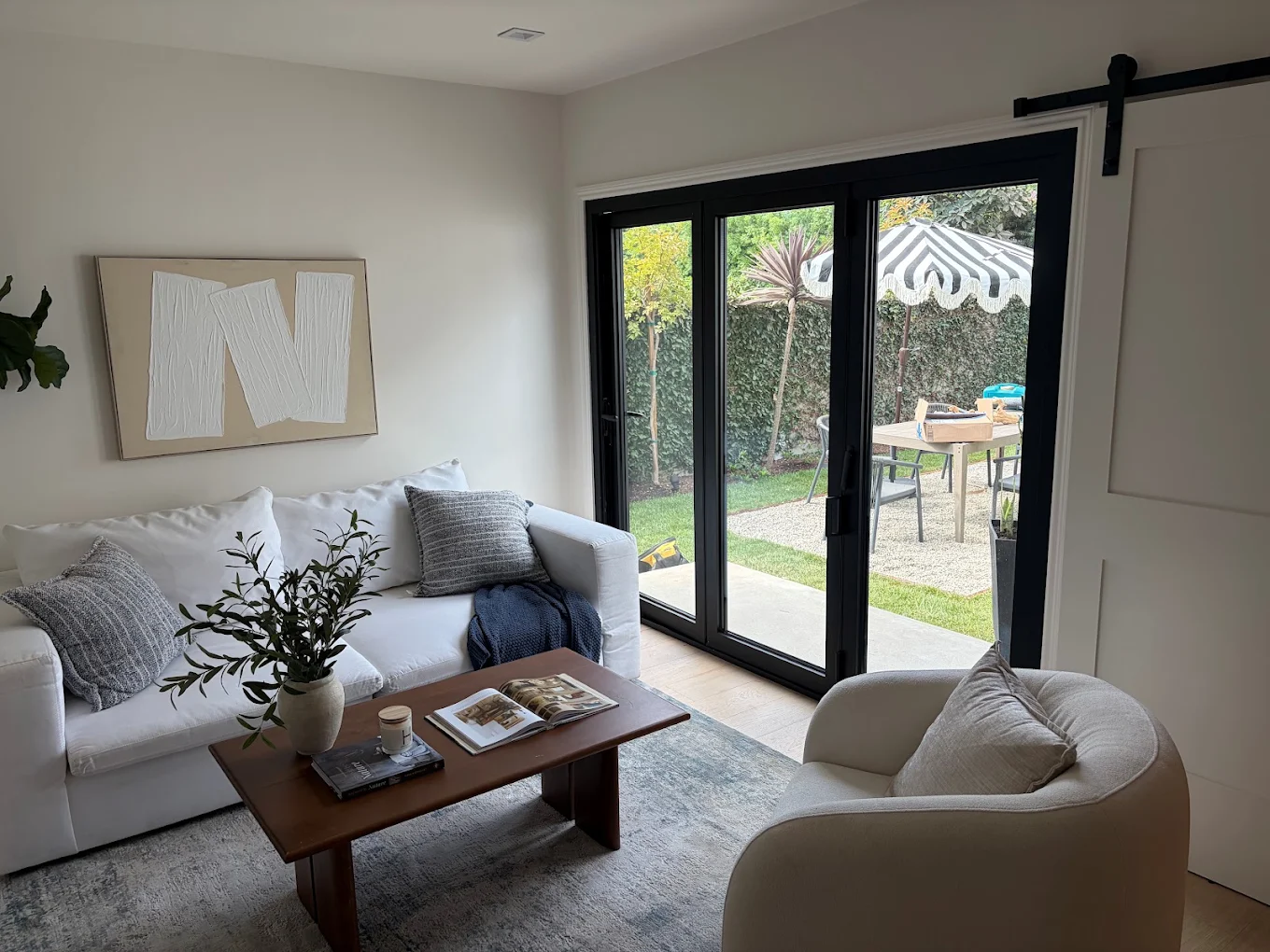
Suburban houses often have insulated glass units with a low-E coating already on one of the inside surfaces. Adding a strongly absorbing film to the room-side pane can push the glass temperature up, and on large units or ones partly shaded by a porch column, uneven heating raises the chance of a thermal stress crack.
We avoid that by matching the film to the glass using the film maker's compatibility guidance. On coated dual-pane windows that often means a lighter or more reflective product. The heat reduction on top of a low-E window is smaller than on old single-pane glass, so we will tell you plainly when film is worth it and when it is not.
Heat Control Window Film When the Houston Power Goes Out
After Hurricane Beryl in July 2024, many Houston households went days without electricity in peak summer heat. A house with film on its east and west windows takes on solar heat more slowly once the AC stops, so interior temperatures rise more gradually. Rooms facing west, which normally take their worst sun just as the house is losing its cool air, benefit most.
Film will not keep a house cool through a multi-day outage, and nobody should count on it for that. What it does is slow the climb on the first afternoon without power, especially when the blinds are also closed, and that can make the difference between a bedroom that is warm and one that is unbearable at bedtime. It also means the AC has less catching up to do once CenterPoint restores service.
What Heat Control Window Film Does for Houston Homes
Lower Afternoon Heat Gain Through Houston West Windows
Film rejects a large part of the solar energy hitting west glass between mid-afternoon and sunset, so rooms on that side warm more slowly and peak lower. The difference is easy to feel with a hand near the glass on a sunny day.
Shorter AC Run Times in Houston Summers
Less solar heat through the glass means less work for the air conditioner on every sunny day of a long cooling season. Hot rooms reach the thermostat setting with fewer long cycles. Over a season that runs from spring into October, those hours add up.
Heat Control Film Without Losing the View
Spectrally selective films stay close to clear, so you keep the backyard or the street view and the natural light while cutting heat. No need to keep the blinds shut all afternoon. That matters in River Oaks and Memorial homes built around big garden windows.
More Even Room Temperatures With Heat Control Film
Treating the hot elevations brings them closer to the rest of the house. A two-story with a stubborn west bedroom upstairs often becomes much easier to balance once the worst glass is filmed. It also reduces the urge to drop the thermostat for the entire house.
Houston Heat Control Window Film Questions
How much solar heat can film stop on a Houston window?
That varies with the film and the glass underneath. Nearly clear selective films turn away a moderate portion of the sun's energy, while reflective films turn away noticeably more. We show the rated numbers for each choice on your particular glazing.
Will heat control film make my house cold in a Houston winter?
Houston winters are short and usually mild, so the passive solar heat you give up is small. If winter sun on south windows matters to you, a lighter film there keeps more of it.
Is heat control film safe on my dual-pane windows?
In most cases yes, provided the film maker lists it as compatible with your type of insulated unit. Risk rises with dark absorbing films on large panes or glass that is partly shaded. We check compatibility before recommending a product.
Which windows should get heat control film first?
West-facing windows first, then east, then large south-facing glass that is not shaded by an overhang. North windows rarely need heat film in Houston.
Does heat control film help with humidity?
Not directly. Film reduces the heat coming through the glass, which lowers the cooling load, but your AC and any dehumidifier still handle moisture. A smaller heat load can let the system run more steadily, which helps it manage humidity.
Window film quote
Request Heat Control Window Film Pricing in Houston
Let us know which rooms overheat and around what hour it begins, and send sizes and photos through the quote form. Our recommendation will start with the glass doing the most damage.
Prefer email? info@windowfilmhouston.pro